

Antimicrobial Depth Gauge Boards
Antimicrobial protection
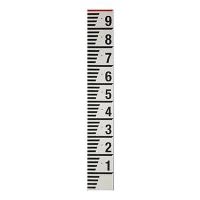 The terms “Antibacterial” and “Antimicrobial” are commonly interchanged, when in fact they have very different meanings!The primary difference between antibacterial and antimicrobial substances is the types of microorganism they act upon. While antibacterial products prevent the development of bacteria, antimicrobial agents prevent the spread of bacteria, fungi, and some viruses.
This is a much broader scope of protection than the protection found in antibacterial products.
Cleansing wipes are an example of a product available as both an antibacterial product and an antimicrobial product. Antibacterial hand wipes kill bacteria, while antimicrobial wipes kill bacteria plus other microorganisms that can cause human illness. Both antibacterial and antimicrobial wipes can be a component of effective hand hygiene. antimicrobialproducts incorporate a BioCote® silver glass complex that antagonises the settlement of micro-organisms on the surface of the cured powder coating film”BioCote® technology protects the surface of the product from microbes including mould, fungi and of course bacteria -meaning the product surface is more hygienic and resistant to thegrowth of staining and odour causing microbes which may prematurely degrade the material. Both in laboratory and real life conditions BioCote® has been *proven effective against a wide range of clinically significant bacteria including MRSA, MSSA, E. coli,legionella pneumophila, salmonella and the H1N1 virus amongst many others.
Once added to a product BioCote® technology starts to work immediately, tests have shown significant decreases in microbial contamination within just 15 minutes and reductions of up to 99.5% in 2 hours. Very significantly BioCote® works for the expected lifetime of the product.*Tested in accordance with ISO22196:2011-the international standard for the measurement of antibacterial activity on non-porous surfaceswhere a droplet of a suspension of eitherEscherichia coliorStaphylococcus aureusis placed directly onto the surface being tested.
A coverslip is then placed on top of the droplet, thus spreading the bacterial suspension and keeping it in intimate contact with the test surface. After a 24 hour incubation at 35°C the bacterial suspension is released from between the coverslip-test sample sandwich and the number of viable bacterial cells that have survived is determined.